

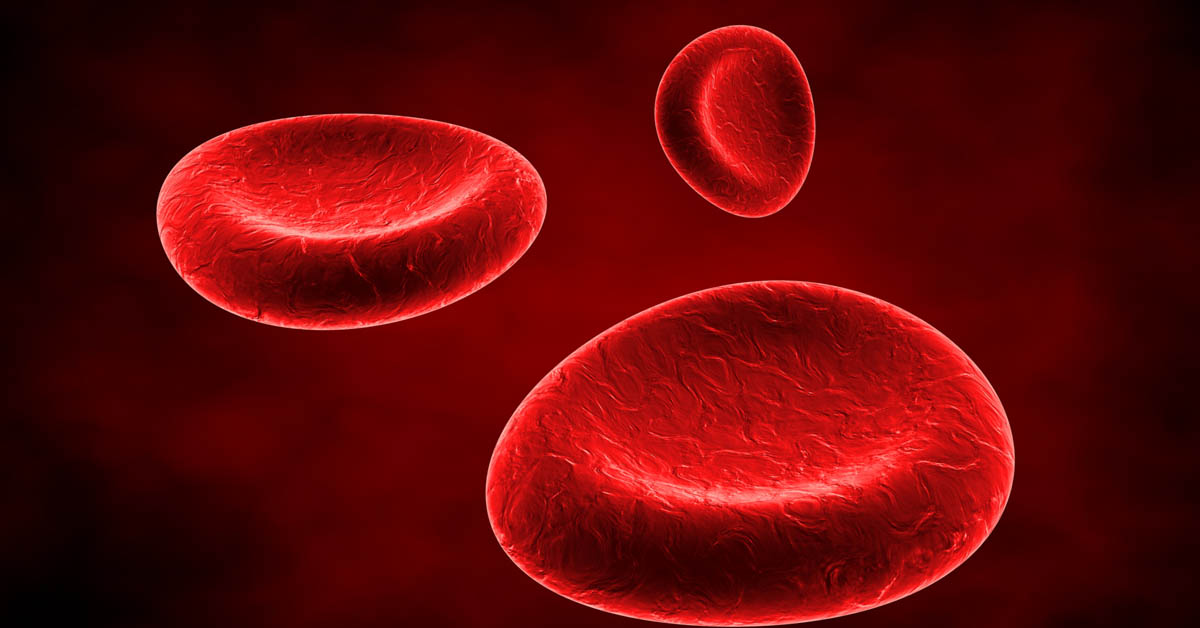
Pulmonary embolisms (PE) and deep vein thrombosis (DVT), caused by blood clots forming in veins, are responsible for up to 100,000 American deaths each year. Do you know who’s at risk and how to recognize the signs of a blood clot? Risk Factors: * Limited mobility because of a medical problem, surgery, or paralysis * […]

Emerging research indicates that delivering small electrical pulses to the vagus nerve through implanted devices may offer a promising approach to treating autoimmune diseases such as rheumatoid arthritis. Traditionally, these conditions are managed with immunosuppressive drugs, which can be costly and increase susceptibility to infections. Vagus nerve stimulation (VNS) presents a potential alternative or complement […]

White-coat hypertension, named after the traditional white coats worn by doctors, describes a condition where an individual’s blood pressure is elevated in clinical settings but remains normal in everyday environments. This phenomenon is believed to result from anxiety and stress experienced during medical appointments. However, recent studies suggest that white-coat hypertension may be more than […]

Emerging research indicates a strong connection between inadequate sleep and various health issues, such as elevated risks of hypertension, diabetes, obesity, and cardiovascular diseases. A recent study focusing on middle-aged individuals found that experiencing multiple sleep disturbances—including difficulty falling asleep, early morning awakenings, or sleeping less than six hours per night—can nearly triple the risk […]

Eggs are inexpensive and full of nutrition, but many are cautious of them due to their high cholesterol content. High blood cholesterol levels have been connected with a higher risk of cardiovascular events and vice versa. For this reason, some sources have recommended that people consume less than 300 mg of cholesterol per day. This […]
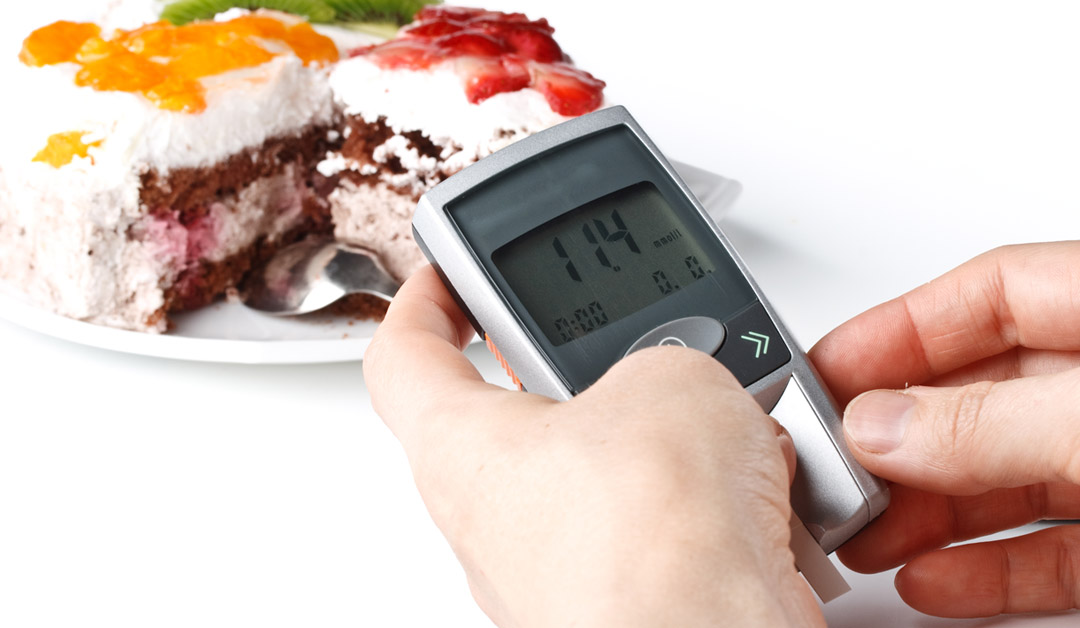
Research published in the New England Journal of Medicine indicates that elevated blood glucose levels may heighten the risk of developing dementia, even among individuals without diabetes. The study monitored 2,067 participants without dementia at the outset, tracking their glucose levels over a median period of 6.8 years. Findings revealed that non-diabetic individuals with a […]

Engaging in regular physical activity is associated with increased brain volume in critical areas, including gray and white matter and the hippocampus, according to recent research. Study Overview: Print PDF

It’s no secret that cardiovascular problems during our middle and latter years can cause cognitive decline as we age. However, a new study shows that high blood pressure, high cholesterol levels, and elevated blood sugars in early adulthood are also linked to cognitive deficits later in life. The study started with over 3000 people between […]
A study published in the New England Journal of Medicine shows that higher blood glucose levels may increase the likelihood of dementia. This statement holds true even for those who do not have diabetes but consistently exhibit higher than average blood sugar. The ability to stay physically active is an important component to controlling blood […]

What we won’t do for ourselves, our doctors, our loved ones, or hot romantic prospects, it appears we will do for our dogs: Exercise Our doctors can endlessly exhort us to exercise, but a study published in Anthrozoos: A Multidisciplinary Journal of the Interactions of People & Animals, shows that what it really takes to […]
