Alliance Home Health of Broward
https://alliancehomehealthofbroward.nwsltr.infoBlood Clots
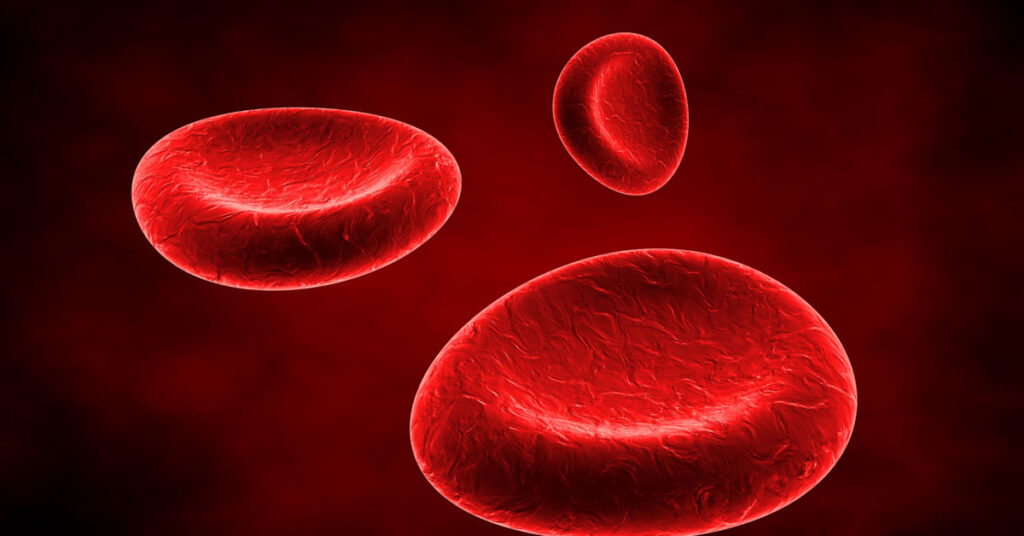
Pulmonary embolism (PE) and deep vein thrombosis (DVT) are serious conditions caused by blood clots forming in the veins. Together they are known as venous thromboembolism (VTE). Understanding who is at risk and recognizing the warning signs can help prevent severe complications.
Risk Factors
Certain health conditions and lifestyle factors increase the risk of developing a blood clot. These include:
- Limited mobility due to illness, surgery, or paralysis
- Injury to a vein caused by a bone fracture, muscle injury, trauma, or major surgery—especially involving the abdomen, pelvis, hips, or legs
- Being over age 60
- Being overweight or obese
- High blood pressure or smoking
- Heart failure or cancer, particularly cancers in the abdomen
- A personal or family history of blood clots
- Having a catheter or tube placed in a vein for medication or treatment
Symptoms to Watch For
The most common signs of deep vein thrombosis (DVT) include:
- Unexplained swelling in an arm or leg
- Pain or tenderness in the affected area
- Redness or warmth of the skin
If you notice any of these symptoms, contact your doctor as soon as possible.
A blood clot can sometimes travel to the lungs, causing a pulmonary embolism (PE), which is a medical emergency. Warning signs may include:
- Sudden shortness of breath
- Rapid or irregular heartbeat
- Chest pain
- Coughing up blood
- Feeling lightheaded or faint
If these symptoms occur, call 911 or seek emergency medical care immediately.
Prevention and Early Detection
Blood clots are often preventable and highly treatable when detected early. Knowing your personal risk factors and recognizing the symptoms can help ensure timely treatment and reduce the risk of serious complications. If you believe you may be at risk, talk with your healthcare provider about steps you can take to protect your health.